
Defense Program

The United States faces the most complex security environment in a generation. Russia’s war against Ukraine has brought large-scale conflict back to Europe, China is rapidly expanding its military and nuclear capabilities, and new technologies, from commercial space systems to artificial intelligence, are changing how wars are deterred and fought. At the same time, Washington must sustain its alliances, modernize its forces, and match the speed of innovation with the speed of acquisition. Through its Defense Program, CSPC brings together leaders from government, industry, academia, and allied nations to develop practical, bipartisan recommendations that strengthen America’s security and that of its partners. Our work spans the future of European security and NATO, nuclear deterrence and arms control, and the growing role of space in national security. Through public and private roundtables and field research, the Center works to help the United States and its allies prepare for, and win, the competitions of the 21st century.
Our Experts

Joshua Huminski
Program Head



Jo-Anne Sears
Non-resident Senior Fellow




James Kitfield
Senior Fellow
Susan Eisenhower
Senior Fellow
Peter Sparding
SVP & Director of Policy
Andy keiser
Senior Fellow
Robert Zackery
Senior Fellow
Tom Cremins
Senior Fellow
EThan Brown
Senior Fellow
Veera Parko
Senior Fellow
Euro-Atlantic Security
Predating the invasion of Ukraine, the Center sought to understand how Russia leverages its tools of state power including cyber, intelligence, military, and economic resources to reassert its power and project strength beyond its borders. Since the expanded war against Ukraine, this program has sought to understand how Euro-Atlantic security will reorder as a result of the return of nation-state war to the European continent. Through field research, engagement with European experts, and on- and off-the-record roundtables, the Center is exploring what an expanded NATO will look like, how European defense and security policy can strengthen, and how America’s role in European security will evolve, particularly as Washington seeks to pivot to the Indo-Pacific.
London Defence Conference
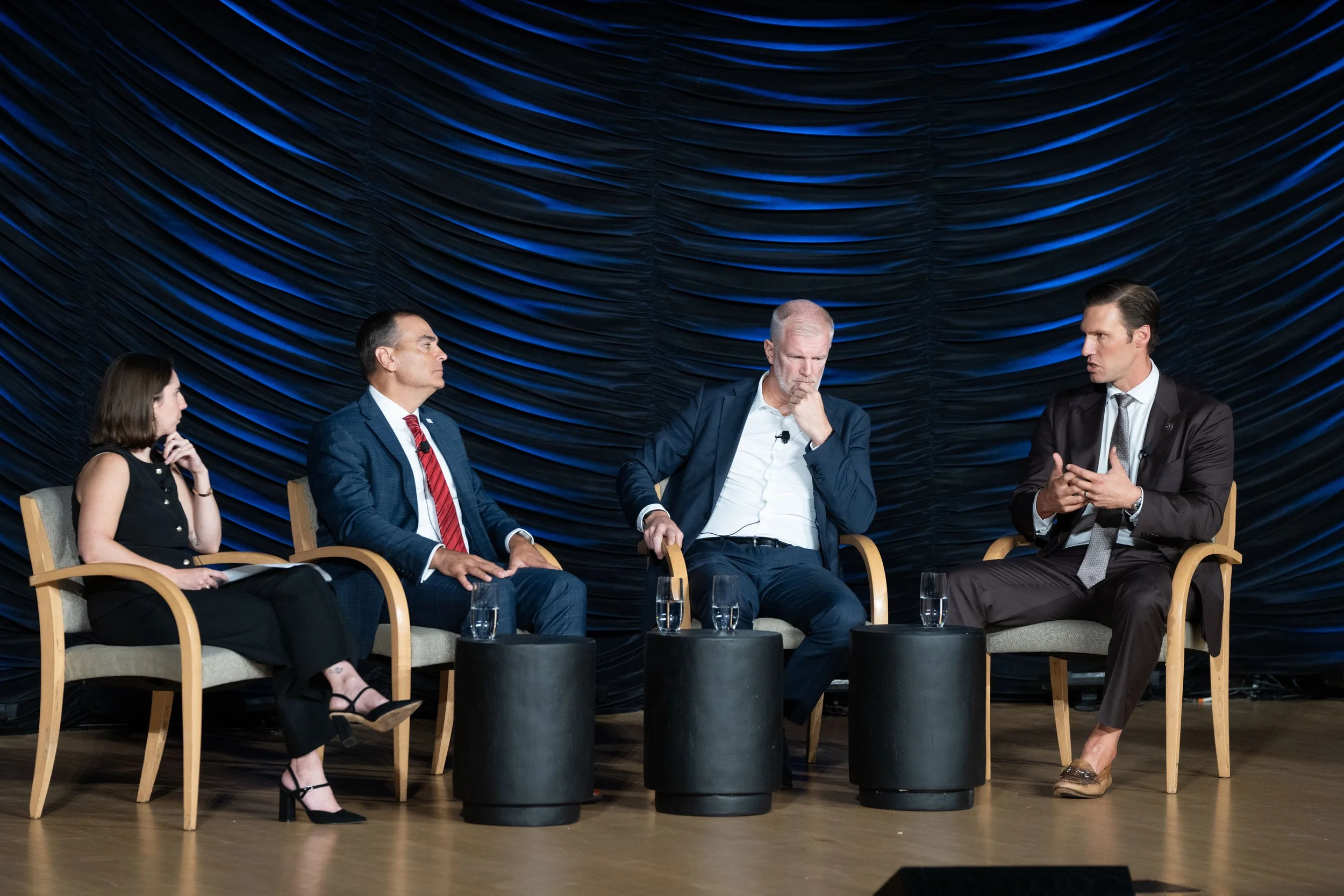
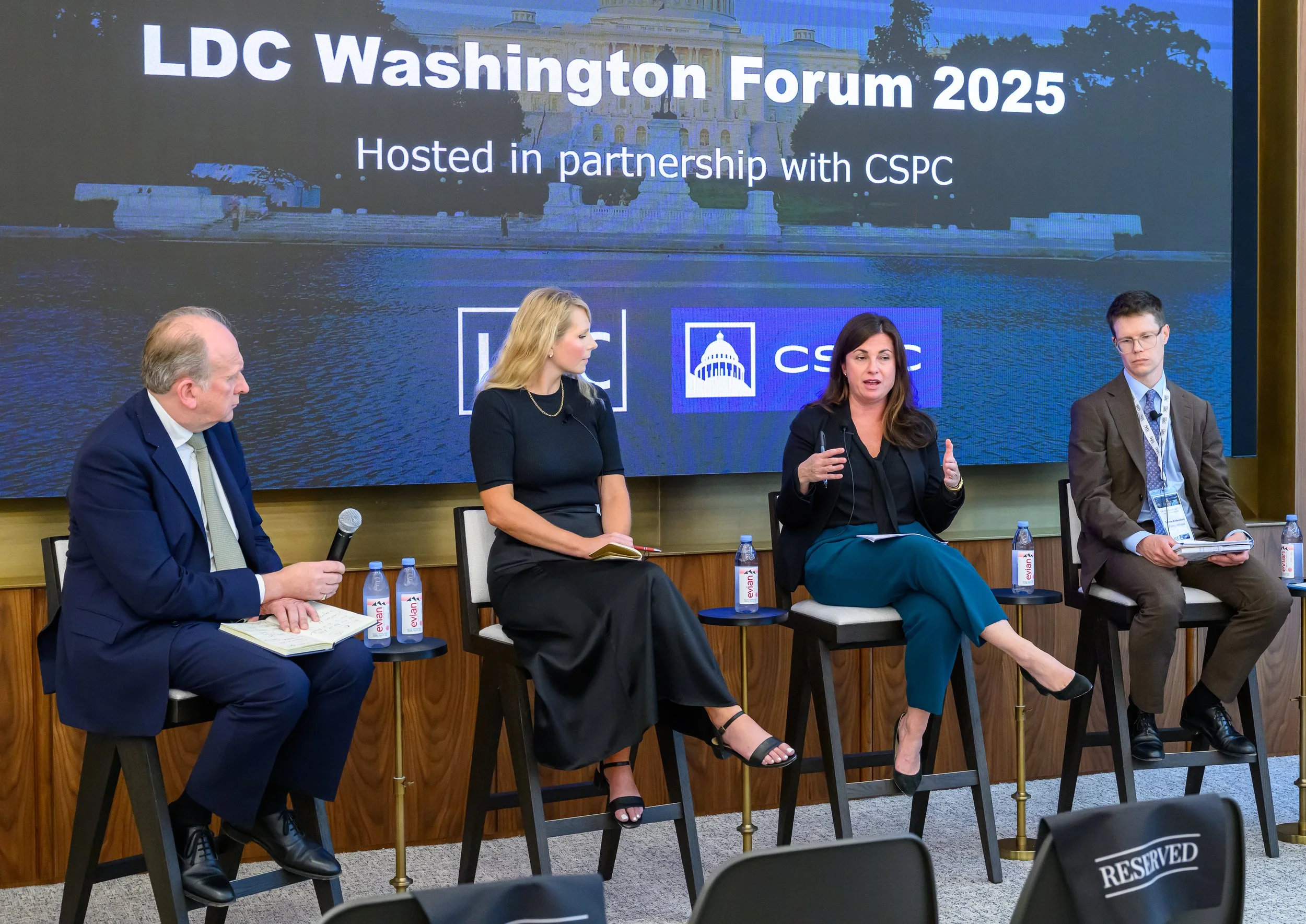
CSPC is proud to partner with the London Defence Conference (LDC), a gathering founded in 2022, to raise the visibility of defense and security issues. Each spring in London, the LDC convenes heads of government, defense ministers, military leaders, members of the U.S. Congress, and voices from industry and academia. Through our partnership, the conversation comes to the United States each autumn with the LDC Washington Forum, co-hosted by CSPC.
Launched in 2025, the Forum brings allied officials, policymakers, industry leaders, and experts together in the nation’s capital for a full day of candid discussion on the defense challenges shared across the Atlantic. The 2026 Forum, held under the theme “Winning Future Wars,” drew more than 300 delegates and explored lessons from the wars in Ukraine and Iran and how emerging technology is changing military capabilities. The Forum is now a key annual event for strengthening ties between Washington, London, and their allies.
Reports & Essays




Nuclear
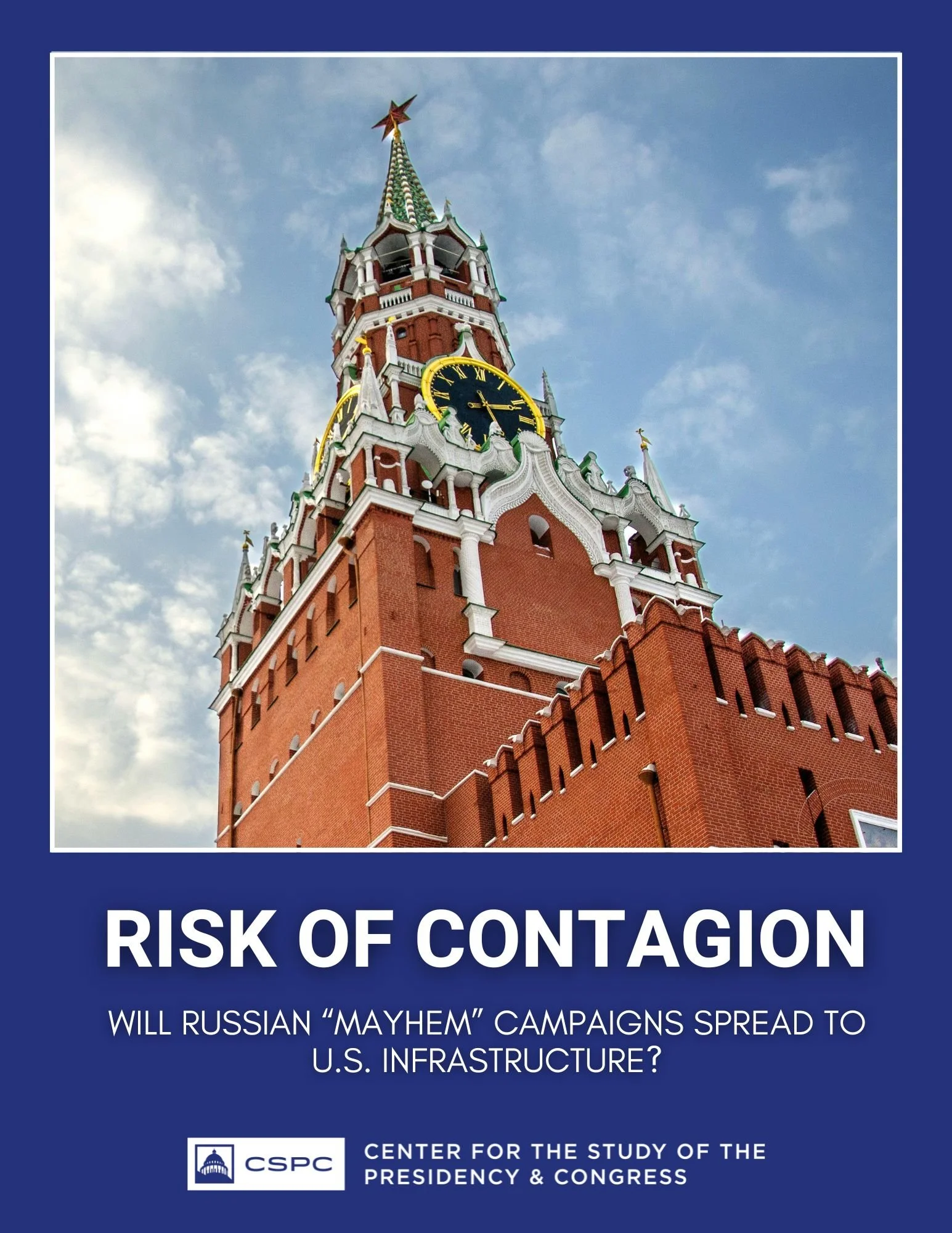
The expiration of New START in February 2026 left the United States and Russia without a binding limit on their strategic nuclear forces for the first time in decades, just as China is rapidly expanding its arsenal and Iran’s nuclear ambitions remain unresolved. CSPC examines what credible deterrence requires in this more crowded and less predictable nuclear age, including how U.S. extended deterrence can reassure allies in Europe and Asia, how partners such as the United Kingdom and France fit into the Alliance’s nuclear posture, and what role arms control can still play.
Reports & Essays


Space
The National Security Space Program brings together experts from the commercial space industry and their national security counterparts to identify real, actionable recommendations to accelerate the integration of commercial technologies into America’s orbital architecture and nurture an environment for its long-term success. Commercial space technologies already play a significant role in America’s security in, by, and from orbit, but the latest wave of new capabilities offers greater (and cheaper) access to space, opening up new opportunities for communication, intelligence and surveillance, early warning, and more that will ensure America’s continued leadership on orbit. By closely cooperating with industry, the government can match its speed of acquisition with the speed of innovation.

Reports


US-Russia Foundation Strategic Stability Program
As America marks 250 years of democracy, Glenn Nye revisits the warning in George Washington's Farewell Address about the dangers of political partisanship. Drawing on our history and today's political landscape, Nye argues that America's growing political dysfunction—from declining trust in institutions to legislative paralysis—is driven by incentives built into our election system. He argues that by reforming those incentives, we can create a democracy that rewards cooperation and put our politics on a better path for future generations.