Political Reform Program
The American story is one of constant renewal. From the Bill of Rights to the secret ballot, the direct election of senators, and the steady expansion of voting rights, each generation has reformed its democracy to meet the challenges of its time. Today, that work is urgent again. Hyperpartisan election structures, including gerrymandering and closed primaries, have promoted dysfunction and mistrust in our institutions. CSPC’s Political Reform program looks at the incentives behind that dysfunction and at practical, nonpartisan reforms that can change them. The program is led by CSPC President & CEO Glenn Nye, a former Member of Congress (D-VA) who saw from the inside how our system rewards partisanship. Building on CSPC’s Quarter Millennial Project, the program draws on America’s 250-year record of democratic innovation as proof that reform is not only possible, it is an American tradition.
Our Experts

Glenn Nye
Program Head; President & CEO
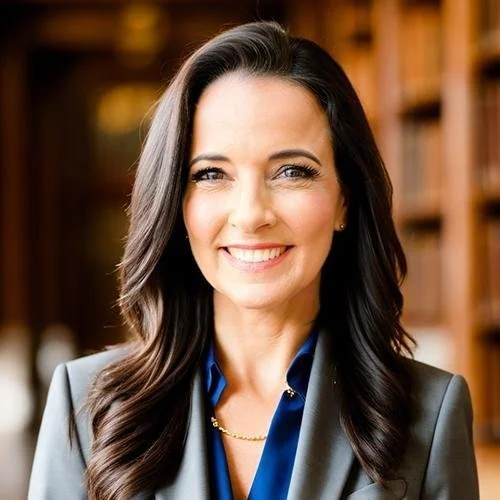
Jeanne ZAino
Senior Democracy Fellow
PResident & CEO Glenn Nye Speaks on Political reform
As America marks 250 years of democracy, Glenn Nye revisits the warning in George Washington's Farewell Address about the dangers of political partisanship. Drawing on our history and today's political landscape, Nye argues that America's growing political dysfunction—from declining trust in institutions to legislative paralysis—is driven by incentives built into our election system. He argues that by reforming those incentives, we can create a democracy that rewards cooperation and put our politics on a better path for future generations.
Recent Publications
Democracy innovation TiMeline
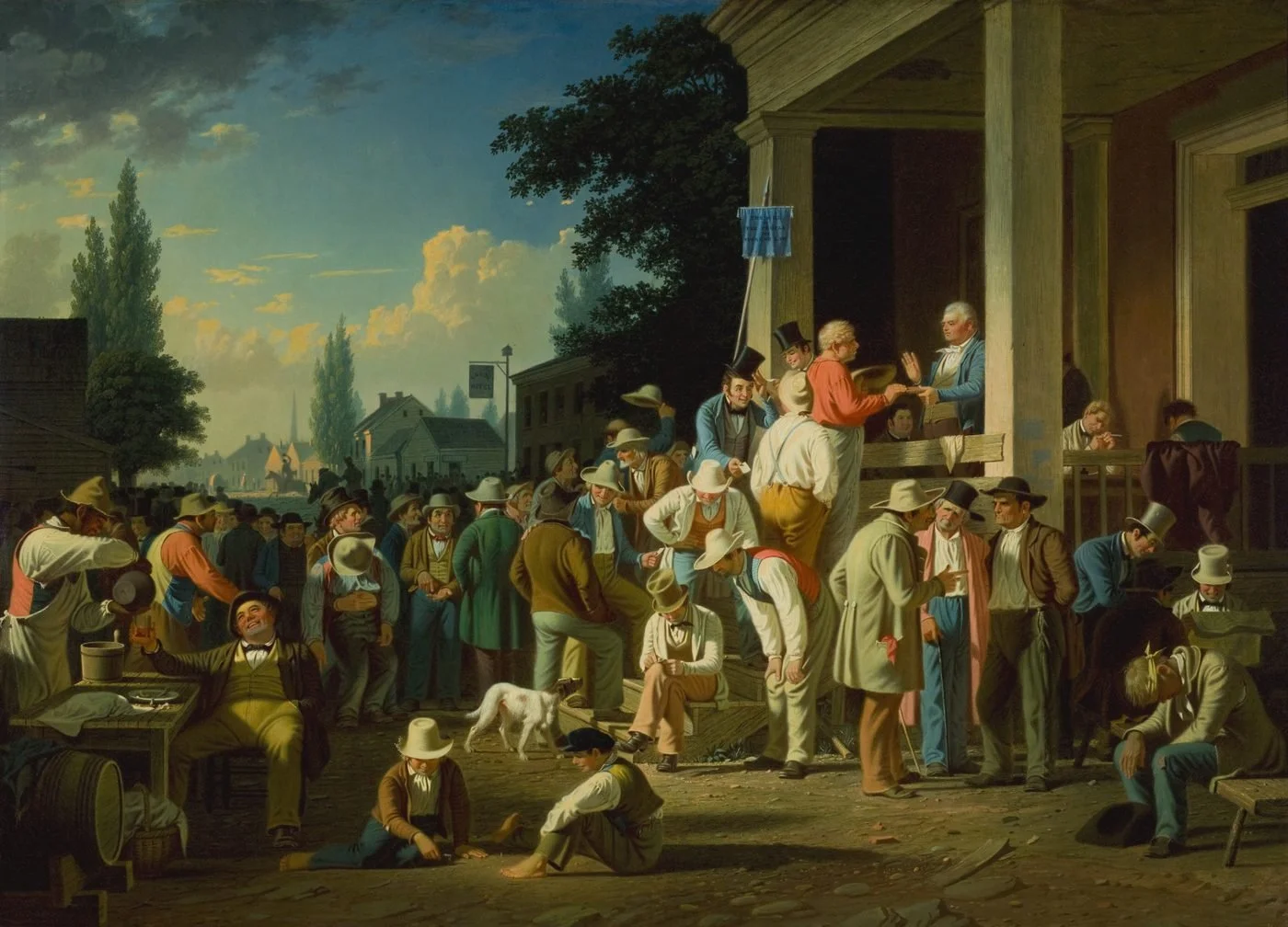

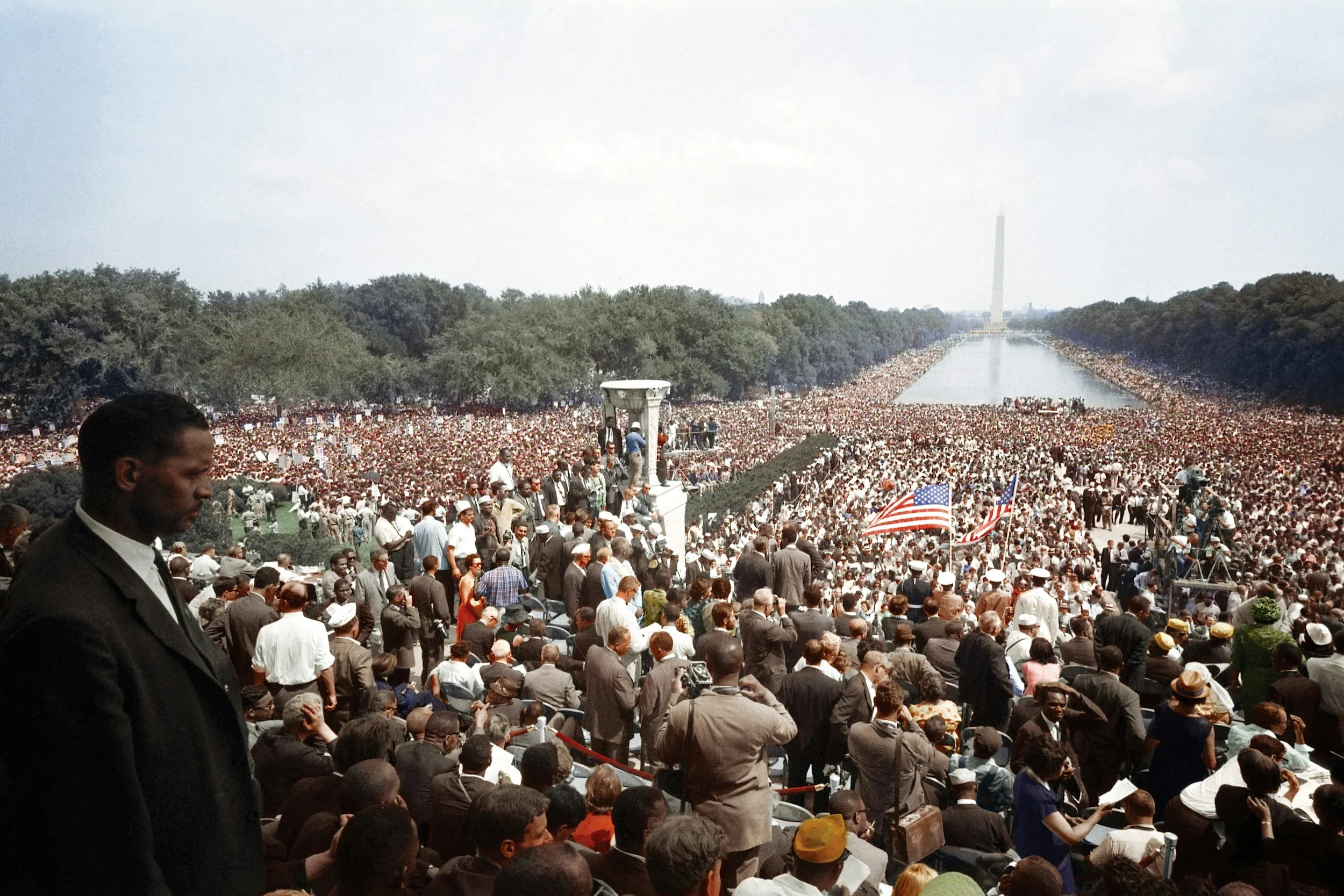
American democracy has never stood still. In every era, citizens have updated outdated practices, strengthened core principles, and built new institutions to meet the challenges of their time. As part of CSPC’s Quarter Millennial Project, our Democracy Innovation Timeline traces more than fifty of these turning points, from the Reconstruction Amendments to the expansion of voting rights to the rise of nonpartisan primaries. The timeline is a living project, and we will keep adding entries and welcome public input. We hope this look back at 250 years of reform inspires our generation to imagine what the next 250 could hold.